
WHY IT STARTS
You heard it recently
In a study of earworm reports gathered through BBC 6 Music, recent exposure was the most often cited trigger: a shop, the gym, the radio or someone humming.
See the numbersWHAT THE RESEARCH SAYS
Almost everyone gets earworms.
A few bars of a song loop in your head for minutes, sometimes days. Psychologists call it involuntary musical imagery, and they have studied where it comes from and what makes it stop.

ON REPEAT and perfectly normal
THE SHORT ANSWER
Earworms are a quirk of ordinary memory.
Studies point to a few clear patterns.
WHY IT STARTS
In a study of earworm reports gathered through BBC 6 Music, recent exposure was the most often cited trigger: a shop, the gym, the radio or someone humming.
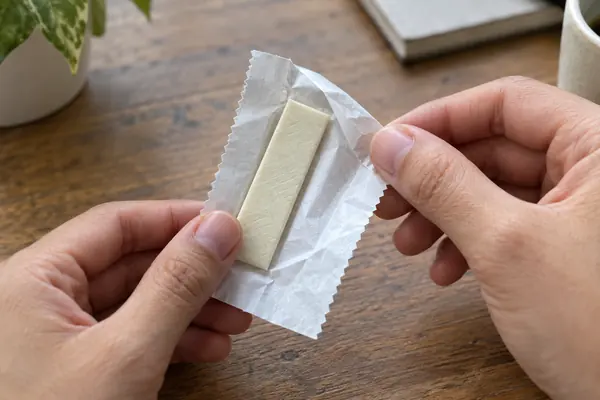
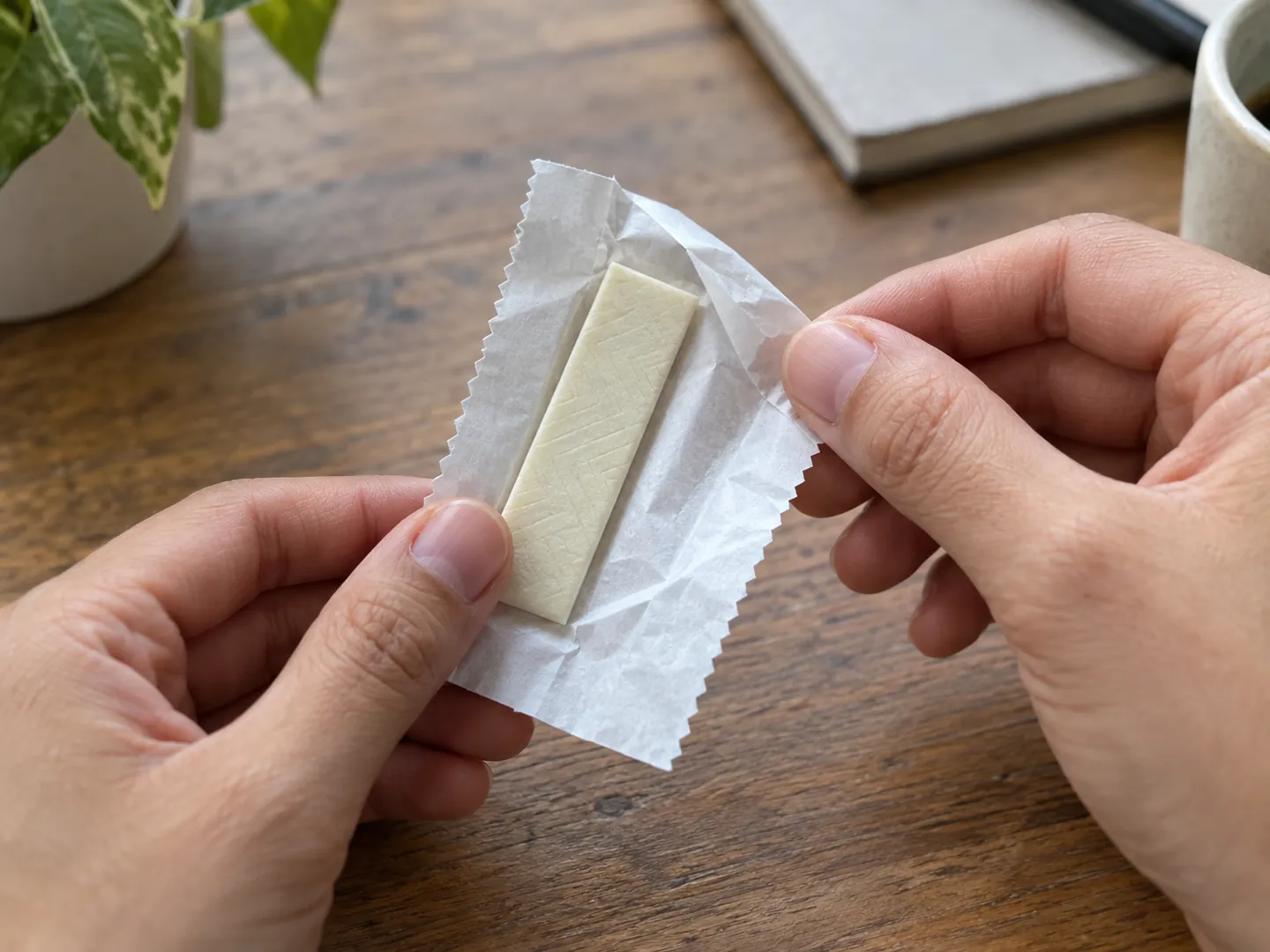
See the numbersWHAT HELPS
In a University of Reading experiment, chewing gum cut how much people "heard" a song in their head by a third.
Compare what helpsWHY SOME STICK
A 3,000-person study found earworm songs tend to be faster, with a familiar melodic shape plus unusual leaps or repeats.
What makes a tune stickyA QUICK COMPARISON
Choose something people try to shift an earworm. The bar shows how strong the evidence behind it is, from a controlled experiment down to everyday experience.
Based on published psychology studies of earworms. General information only.
TWO NUMBERS WORTH KNOWING
One figure on how often it happens,
one on a surprisingly simple fix.
≈ 89%
Share with an earworm at least weekly
In a survey of 12,519 people in Finland, 89.2 percent said they got earworms at least once a week. People who listened to or played more music reported them more often.
HOW COMMON · PSYCHOLOGY OF MUSIC
⅓ less
Less of the song "heard" while chewing
Volunteers tried not to think of a catchy song for three minutes. Chewing gum cut the amount they heard it in their head by a third, compared with the control conditions.
CHEWING GUM · UNIVERSITY OF READING
Liikkanen, Psychology of Music (2012). Beaman and colleagues, Quarterly Journal of Experimental Psychology (2015). The Reading team also noted that around 15 percent of people describe their earworms as disturbing.
FOUR THINGS TO TRY
None of these costs anything. They come from what people in studies did, and what seemed to help.
Chewing seems to interfere with the inner voice that "sings" the tune, which is why it cut earworms in the Reading experiment.
Many people find that listening to the whole song, rather than a snippet, lets the loop finish.
Think of or play a different song, or start a conversation. Distraction was one of the most common fixes people reported.
Choose something absorbing but not frustrating. Tasks that were too hard made earworms more likely in one study.
WHY SOME TUNES STICK
Researchers at Goldsmiths, University of London asked 3,000 people for their most frequent earworms and compared those songs with equally popular ones that were not named. The earworms were usually faster, and their melodies followed a common rise-and-fall shape, like a nursery rhyme.
They also tended to have something unexpected, such as an unusual leap or more repeated notes than a typical pop song. Mind-wandering, boredom, tiredness, stress and memories of a place can all bring a tune back.
Questions
Yes. In a survey of more than 12,000 people in Finland, 89.2 percent said it happened at least once a week. Most episodes in research are rated neutral or even pleasant.
Usually only a few minutes, according to University of Reading researchers, though some people have one for two or three days.
Hearing the song recently is the most common trigger. Researchers also found associations with words or people, memories of places, looking forward to an event, mood, and low-attention states such as boredom or drowsiness.
In one controlled experiment with 98 volunteers, yes: chewing gum reduced how much people heard a song in their head by a third. It may not stop every earworm.
A study of 3,000 people found earworm songs were usually faster, had a familiar rise-and-fall melodic shape and included unusual intervals or repeated notes. Recently heard songs people enjoyed were also more likely to stick.
Sources
ABOUT THIS NAME
doodletune.com is part of the DoodleSale portfolio. It isn't in an auction right now, but you can ask about leasing it.